

Introduction
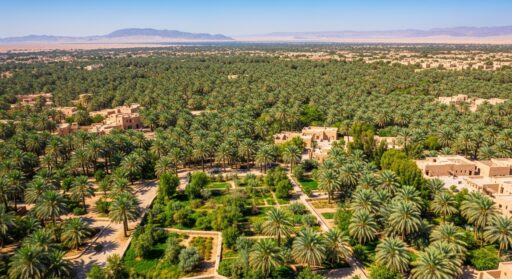
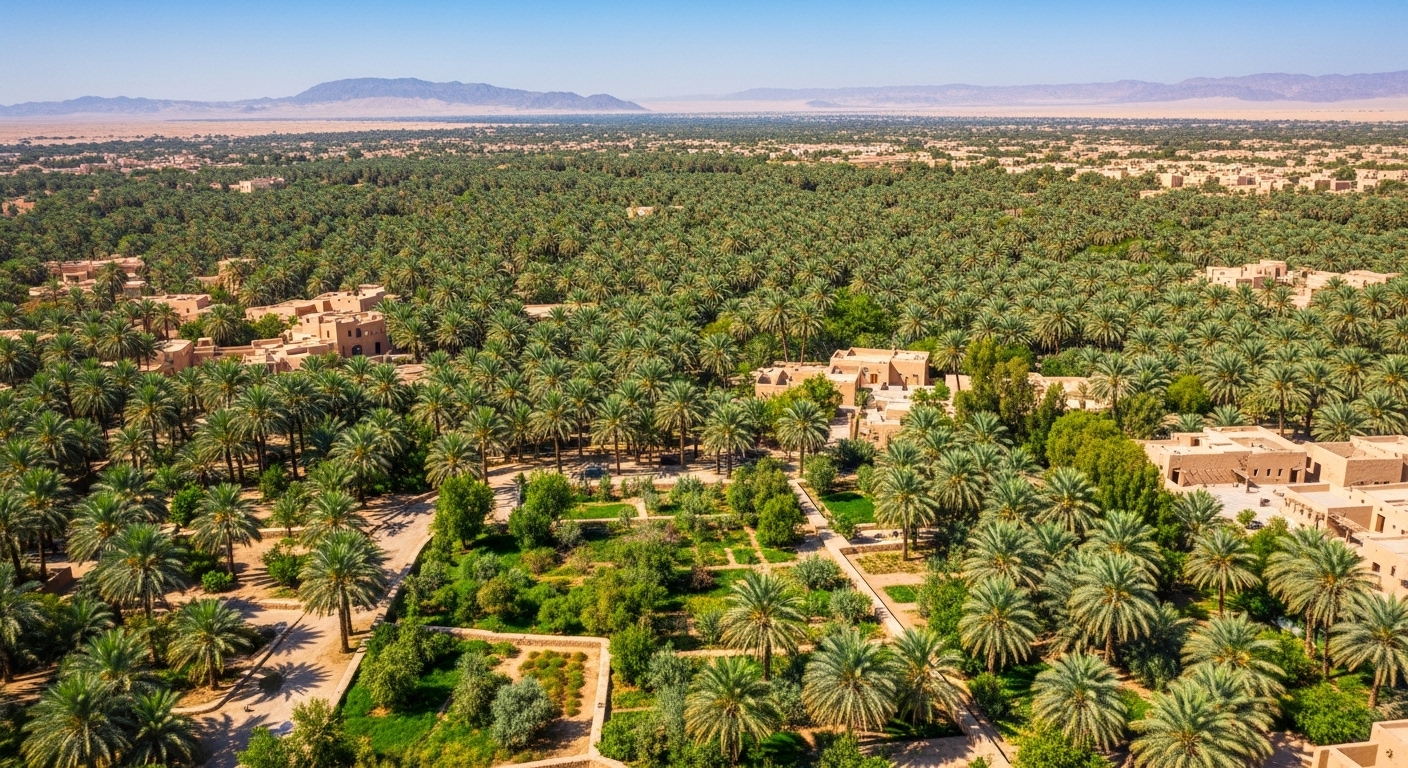
In the heart of the garden city of Al Ain, a UNESCO World Heritage Site unfolds—the Al Ain Oasis. This is not a single park but a vast, sprawling labyrinth of over 147,000 date palms, covering 1,200 hectares. It is a living testament to a 3,000-year-old tradition of sustainable agriculture and water management. More than just a beautiful green space, the oasis is the historical and ecological cornerstone of one of the oldest continuously inhabited settlements in the region, demonstrating how human ingenuity can create and sustain life in the most challenging of environments.
The Falaj System: The Ancient Engineering Marvel
The heartbeat of the Al Ain Oasis is the falaj (plural: aflaj), a sophisticated irrigation system that pre-dates Islam. This network of underground channels and surface waterways taps into groundwater sources at the foot of the nearby Jebel Hafeet mountain and uses gravity to distribute water throughout the oasis. The system includes vertical access shafts for maintenance, allowing ancient engineers to clear blockages and manage the flow. Walking through the shaded pathways of the oasis today, you can still see and hear the water flowing through these ancient channels, a timeless sound that has sustained life here for millennia.
A Model of Agroforestry: The Date Palm as the Tree of Life
The Al Ain Oasis is a masterclass in traditional agroforestry. The primary crop is, and always has been, the date palm. This “tree of life” provides not only its nutritious fruit but also materials for construction (trunks and fronds for arish houses), fuel, and fodder for animals. The tall palms also create a microclimate—a “canopy layer” that shields more delicate crops from the intense desert sun. Beneath the palms, farmers traditionally cultivated a second layer of fruit trees like mango, citrus, and banana, and a ground layer of alfalfa and other fodder crops, creating a highly efficient, multi-tiered agricultural system.
The Social and Economic Organization of the Oasis
The management of the oasis was a complex social endeavor. Water from the falaj was not a free-for-all; it was allocated according to a strict, time-based system managed by a designated water master (arif al falaj). Farmers received specific time slots to channel water to their plots, ensuring equitable distribution. This required and fostered a strong sense of community cooperation and governance. The oasis was the economic engine of the region, producing surplus dates and other goods that could be traded, supporting a settled, non-nomadic way of life and allowing Al Ain to become a prosperous cultural crossroads.
A Living Museum and a Legacy for the Future
Today, the Al Ain Oasis is carefully preserved as a living museum. The UAE government has invested in its conservation, ensuring the falaj channels are maintained and the palm groves are healthy. Interactive educational centers within the oasis explain its history and ecology to visitors. It stands as a powerful symbol of sustainability, offering lessons in water conservation and agricultural practice that are more relevant than ever in a world facing climate change and water scarcity. It is a green gift from the past, a tranquil refuge in the present, and a model of harmonious living for the future.
Conclusion: The Enduring Green Heart
The Al Ain Oasis is the verdant soul of the emirate of Abu Dhabi. It is a place where the ancient and the modern coexist peacefully. It tells a story not of conquering nature, but of working with it—of understanding the desert, capturing its hidden water, and creating a self-sustaining ecosystem of breathtaking beauty and productivity. To walk through its cool, shaded pathways is to step back in time and witness the foundational innovation that allowed civilization to flourish in the Arabian desert. It remains, as it has for thousands of years, a true oasis of life.